
We all know that most of Filipino people love to sing and listen to a music or song.
but have you ever wondered how the song was made and recorded?
So this is your chance to learn the basic recording equipments used by singers or composers so they can record their songs.
The 7 basic recording equipments
1. COMPUTER
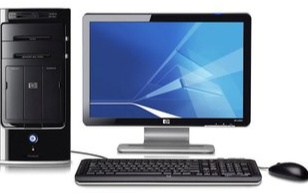
Most of today’s major recording studios are centered around the computer. The computer is now being used to control most aspects of the mixing process, it is used to create and alter sounds in conjunction with instruments, its memory is invaluable for multi-track recording, and it can be used as a musical instrument on its own.
2. RECORDING SOFTWARE
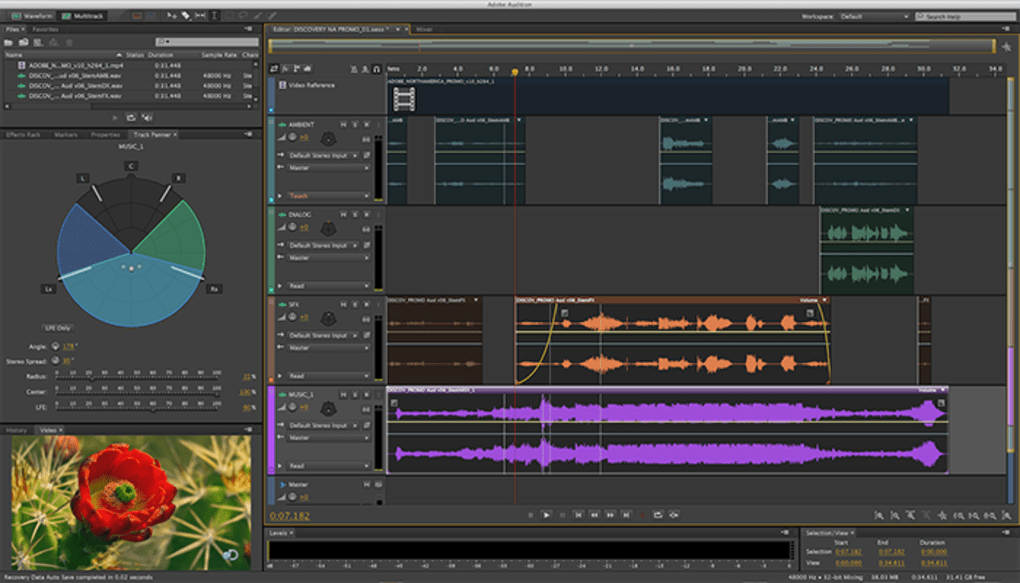
These are the purpose of recording software:
- Recording and mixing sound projects
- Creating original or remixed music
- Producing radio spots
- Cleaning up audio from video tracks
- Compiling and editing video/movie soundtracks
3. RECORDING (condenser) MICROPHONE

A microphone is a device that translates sound vibrations in the air into electronic signals or scribes them to a recording medium. Microphones enable many types of audio recording devices for purposes including communications of many kinds, as well as music and speech recording. Frequently, microphones are designed for a given purpose. One of the main considerations, aside from the type of device, is what is being recorded. Directionality of microphones is one such consideration in microphone design. Omnidirectional microphones are suited to recording all sounds in an area but poor for focusing on a single subject amongst background noise. Directional, bidirectional and shotgun microphones are suitable for interviews. However, the same effect is often achieved with two unidirectional devices, such as cardioid microphones.
4. AUDIO MIXER
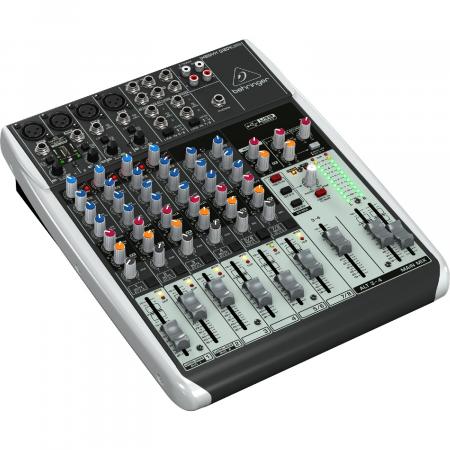
An audio mixer is a device with the primary function to accept, combine, process and monitor audio. Mixers are primarily used in four types of environments: live (at a concert), in a recording studio, for broadcast audio, and for film/television. An audio mixer can come in either analog or digital form.
5. POP FILTER
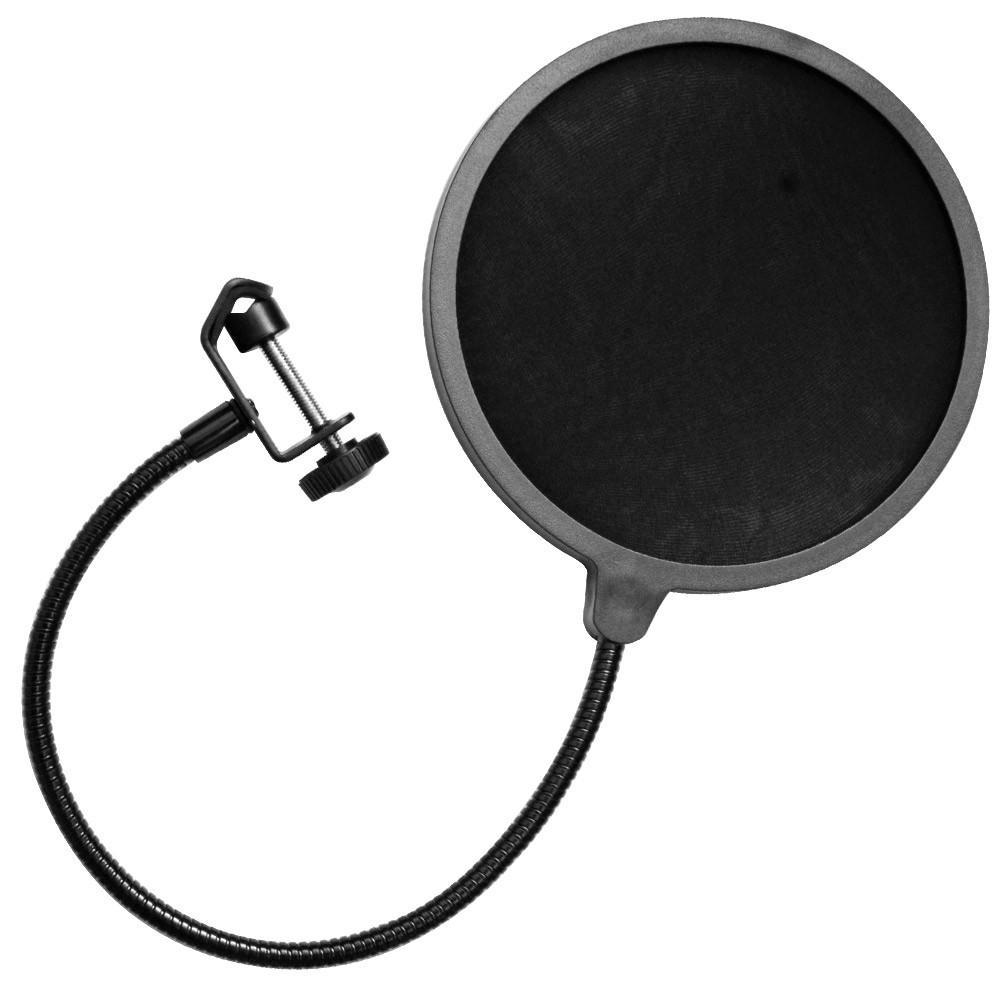
A pop filter, is a noise protection filter for microphones, typically used in a recording studio. It serves to reduce or eliminate popping sounds caused by the mechanical impact of fast-moving air on the microphone during recorded speech and singing. Additionally, a pop filter can protect against the accumulation of saliva on the microphone element. Salts in human saliva are corrosive; therefore, use of a pop filter may improve the lifespan of the microphone
6. STUDIO HEADPHONES
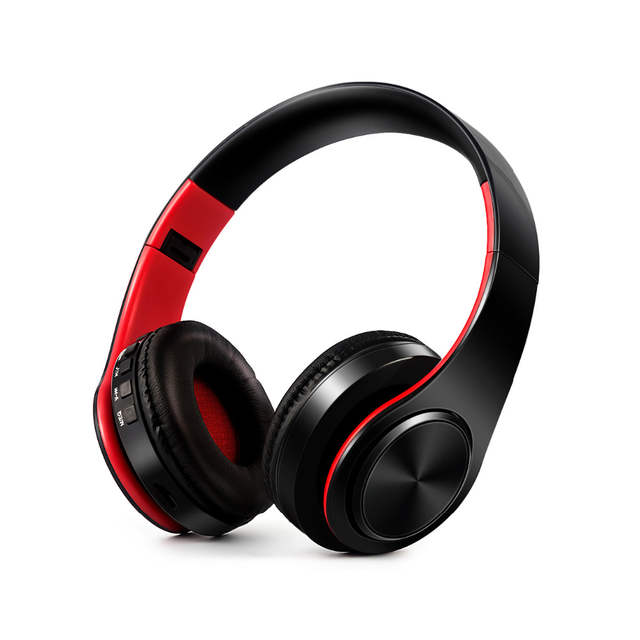
The most obvious use is during overdubbing, when you’re recording a new track to a track or tracks that you’ve already recorded. To avoid bleed, you’ll want to mute the studio monitors and use the headphones as your reference to the previously recorded track.
7. STUDIO (MONITOR) SPEAKERS
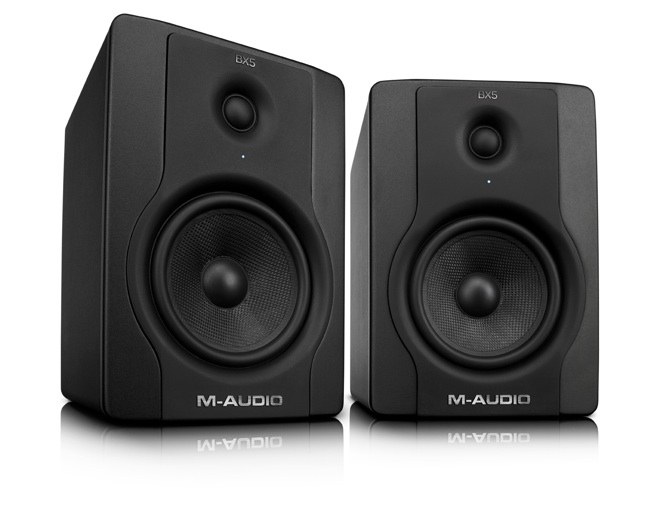
Monitor speakers are designed to provide a flat frequency response so that that the audio signal is reproduced faithfully, within the budgetary constraints of the speaker. The monitor design focus is to avoid artificially boosting bass, treble or other frequencies in an attempt to make the speaker sound ‘good’ and to avoid resonances from the speaker and cabinet. As the producer you need to hear accurately what you are mixing, without the speaker adding its own color to the sound. For example, say your speakers don’t reproduce bass well. You will likely compensate by adding bass to the mix with an EQ. When someone listens to this mix on a good system there will be too much bass. In other words, speaker/monitor errors cause mixing errors as you correct speaker errors along with the mix.
 ALL ABOUT MUSIC